International expansion and exports to Germany
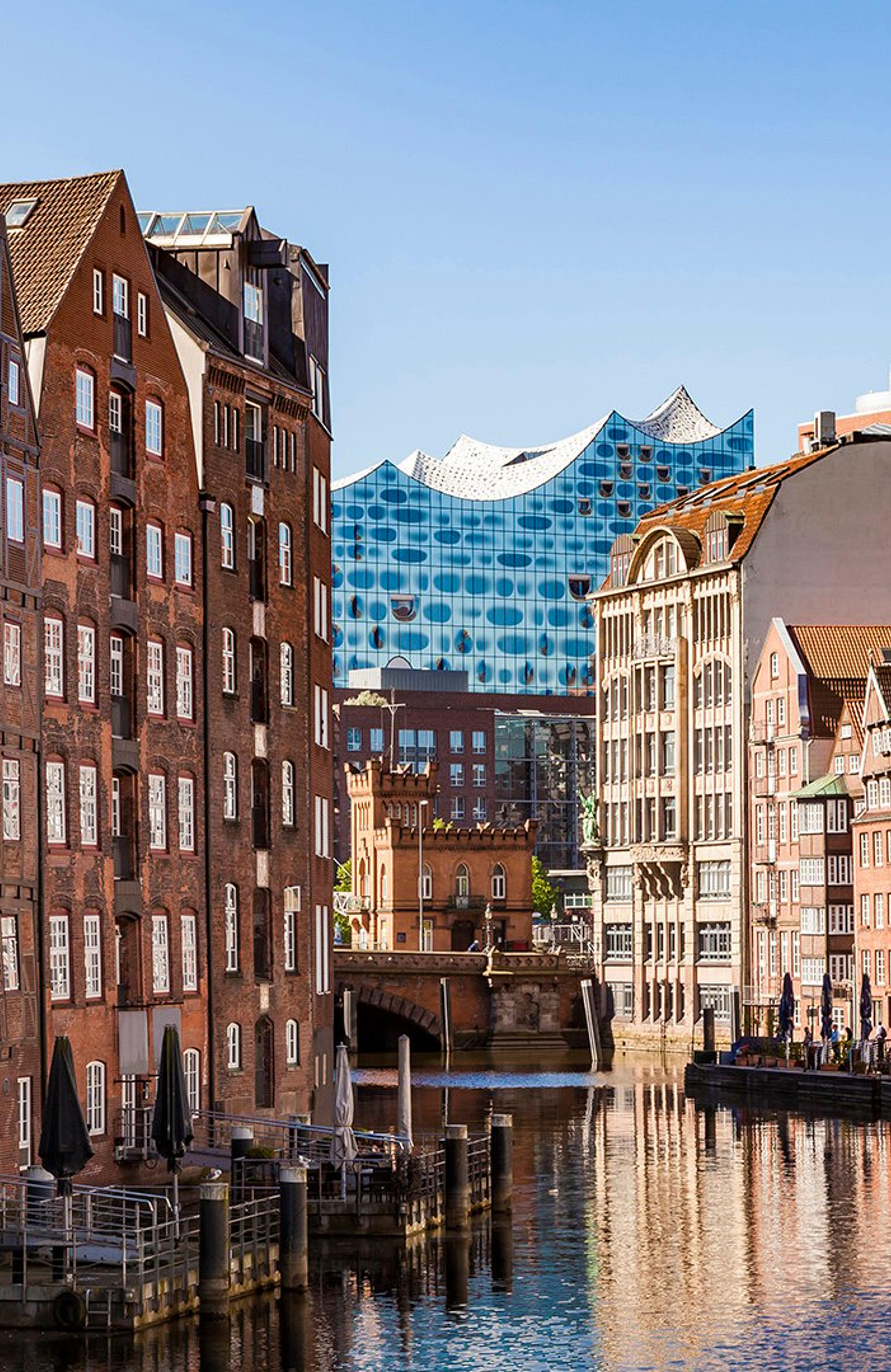
Germany as a market
Germany is one of Norway's most important export markets. In 2025, Norway exported goods worth approximately USD 30 billion to Germany. Energy accounts for the largest share of exports, but Norway also exports aluminium, seafood, electrical equipment, machinery, medical equipment and pharmaceutical products to the German market. Germany is Norway's largest international tourism market, measured by commercial overnight stays.
Germans value high quality, good design and innovation, but there are differences between the north and south, and the east and west. These are most apparent in the consumer market, where consumption patterns, living conditions, economic circumstances and interests vary. It may therefore be worth starting by exporting to one region at a time.
Innovative economy
In the IMD World Competitiveness Ranking 2026, Germany ranks 23rd out of 70 economies. In the European Innovation Scoreboard 2026, Germany ranks ninth among EU countries and is classified as a strong innovator.
In Germany, and particularly in southern Germany, Industry 4.0, IoT and artificial intelligence are key drivers. Southern Germany is also home to many industrial giants that must navigate the dramatic changes in today’s industrial landscape. Norwegian companies can play a crucial role by providing innovative solutions while benefiting from local expertise, industrialisation and global scaling.
Our offices in Hamburg and Munich cover the German-speaking region, including Germany, Austria and the German-speaking parts of Switzerland. Together, these areas form a key European market with more than 95 million people and high purchasing power. These consumers have high to very high purchasing power, and their needs are a strong match for the strengths of Norwegian businesses.
Opportunities for Norwegian companies in Germany
Germany aims to meet at least 80 per cent of its gross electricity consumption with renewable energy by 2030. In 2025, the share was 55.1 per cent. The rapid expansion of wind and solar power is creating demand for solutions in energy storage, flexibility, grid expansion, digital control and power system stabilisation.
Offshore wind is a key part of Germany's energy transition. By the end of June 2026, Germany had 1,764 offshore wind turbines in operation, with a total capacity of 10.8 GW. The target is at least 30 GW by 2030, 40 GW by 2035 and 70 GW by 2045. This creates opportunities for Norwegian companies in maritime operations, grid connections, foundations, installation, operations and maintenance, digitalisation and port infrastructure.
Carbon capture and storage (CCS) is increasingly being discussed in Germany as part of a comprehensive strategy to reduce emissions, particularly in industrial sectors where emissions are difficult to avoid. Although domestic storage is politically sensitive, interest in cross-border cooperation is growing, especially with countries such as Norway, which has geological storage capacity and strong offshore expertise. This creates opportunities for bilateral industrial projects and long-term partnerships.
At the same time, Germany is positioning hydrogen as a cornerstone of the future energy system. Green hydrogen is expected to play an important role in decarbonising heavy industry, transport and parts of the heating sector. Domestic production alone will not meet demand, so Germany is actively seeking international partners and import solutions. Norway is considered a reliable partner for both blue and green hydrogen, given its energy resources, infrastructure expertise and strong maritime and offshore industry.
Germany's maritime sector is one of Europe's key industrial ecosystems and is undergoing a major transformation driven by climate action, digitalisation and the expansion of offshore energy. Shipyards, equipment suppliers, ports and service providers are investing in environmentally friendly vessel technologies, energy-efficient operations and digital maritime infrastructure.
This is creating strong demand for solutions in green shipping, alternative fuels, low-emission propulsion, vessel optimisation and autonomous or ‘smart ship’ systems. The rapid growth of offshore wind is also increasing the need for specialised vessels, subsea technology, maritime logistics and maintenance solutions. There are also opportunities in maritime safety, port digitalisation, resilient supply chains and environmental monitoring. With strong expertise in offshore operations, vessel design, digital maritime services and green technologies, Norwegian companies are well positioned in the German maritime market.
Germany is investing heavily in modernising its armed forces, creating strong demand for advanced technology across the maritime, air, land and cyber domains. Procurement cooperation between Norway and Germany provides a strong foundation for deeper industrial collaboration, with opportunities for Norwegian companies to supply components, systems and services to German prime contractors and participate in joint R&D programmes.
Germany’s space industry is growing rapidly, driven by increasing political interest in strategic space capabilities and strong industrial investment. The market includes satellite manufacturing, Earth observation, navigation, launch services and ‘new space’ solutions such as microlaunchers and autonomous systems. As Germany seeks innovative European partners, Norwegian companies can contribute specialist expertise in small satellites, space-based maritime and Arctic surveillance, secure communications and ground infrastructure.
Germany is home to some of Europe’s largest process industry clusters, including chemicals, advanced materials, industrial equipment, food production and high-tech manufacturing. These sectors are transforming rapidly in response to climate targets, high energy costs, pressure on supply chains and growing demand for efficient, digitalised and sustainable production.
The concept of ‘Industry 4.0’ is central to this development. German companies are investing heavily in advanced automation, sensors, predictive maintenance, robotics, digital twins and AI-driven process optimisation. Solutions that improve energy efficiency, reduce emissions, optimise resource use and enhance traceability are in high demand—areas where Norwegian companies have a strong competitive edge.
Germany is one of Europe’s largest healthcare markets. An ageing population and a shortage of healthcare professionals are driving demand for innovative solutions. There is strong interest in digital health technologies, telemedicine, AI-based diagnostics and sustainable medical equipment. Solutions in life sciences, biotechnology and pharmaceutical research are also in high demand.
The digitalisation of the German healthcare system is being driven by the introduction of electronic patient records, a shortage of healthcare professionals and growing demands for efficiency, IT security and interoperability. Previous support programmes such as the Krankenhauszukunftsgesetz have helped drive investment in areas including patient portals, electronic documentation, digital medication management, telemedicine and IT security. We can help Norwegian companies gain market insight, identify partners and understand regulatory requirements and approval processes.
Germany is one of Europe’s largest outbound travel markets. In 2024, Germans took 68.3 million holidays involving at least five overnight stays, with 80 per cent of the population taking such a trip. German travellers value quality, are digitally savvy and are interested in nature, culture, local food and authentic experiences.
The German market has around 2,300 tour operators, as well as an extensive network of travel agencies, digital platforms, MICE operators and event agencies. We help Norwegian businesses connect with key customer groups: tour operators and agents, MICE agents and event agencies. Visit Norway provides detailed insights into the German market.
Creative industries
Germany is a key market for the creative industries and one of Europe’s largest economies for culture and creative content. Literature, publishing, film, music, design, digital content and culinary experiences all play a significant economic role. Nordic design and Scandinavian aesthetics are highly popular, creating opportunities for Norwegian brands, designers and producers seeking visibility and partnerships in Germany’s innovation-driven creative landscape.
Consumer goods and lifestyle products
The broader B2C market offers strong potential for Norwegian companies built on authenticity, quality, sustainability and niche positioning. German consumers respond well to products with a clear story, transparent origins and environmental responsibility. This applies across lifestyle products, outdoor equipment, wellness, digital consumer services and premium niche goods. Norwegian companies with strong brand values or innovative consumer solutions can find receptive audiences among Germany’s large, diverse and trend-conscious consumer base.
Food and drink
Germany is Europe’s largest single market for food and drink. Demand for organic, natural, vegetarian, allergy-friendly and sustainably produced products creates opportunities for Norwegian producers with clear provenance, documented quality and strong sustainability credentials.
Norwegian products remain underrepresented, despite strong consumer associations with pristine nature and high-quality marine resources. This creates opportunities for differentiation and export growth. Strict food regulations can be challenging, but we support companies with regulatory guidance and market access. Taking part in major industry events such as the Anuga trade fair also provides valuable exposure. In addition to Germany, we help companies targeting the Austrian and Swiss markets, where similar consumer trends can support regional expansion.
German agriculture is facing growing pressure from stricter EU pesticide regulations, increasing sustainability requirements and the need to maintain yields while using fewer chemical inputs. As a result, farmers and agricultural cooperatives are increasingly looking for alternative technologies, including precision agriculture, sensor-based monitoring, biological crop protection solutions and digital decision-support systems. At the same time, labour shortages and cost pressures are accelerating demand for automation, robotics and resource-efficient equipment. These changes create opportunities for technology providers that can help make agricultural production more precise, automated and resource-efficient.
Norwegian agritech companies have relevant strengths in areas such as sensor technology, data-driven crop production, autonomous systems, controlled-environment solutions, sustainable inputs and digital platforms. Germany’s wide range of farm sizes, strong agricultural machinery industry and extensive testing facilities make it an attractive market for rolling out new technologies and establishing industrial partnerships. The country also plays a key role in shaping EU agricultural standards, which means that successful partnerships in Germany can open the door to scaling up across Europe.
Hamburg
Spaces - Haus am Domplatz
Curienstr. 2
20095 Hamburg
Munich
MindSpace Viktualienmarkt
Rosental 7,
D-80331 München


